Ruislip Manor narrow roads removals access tips for movers
If you are planning a move in Ruislip Manor, the street layout can matter just as much as the date on your tenancy agreement. Narrow roads, parked cars, tight turns, and limited loading space can all slow a removals day down if nobody plans for access properly. That is exactly why Ruislip Manor narrow roads removals access tips for movers are so useful: they help you avoid the awkward, time-consuming bits before they turn into expensive ones.
Truth be told, most moving stress does not come from the boxes. It comes from the logistics: where the van can stop, how long it can stay there, whether the sofa will fit through the gap, and who is clearing the pavement while everyone else is trying to keep the kettle in one piece. This guide walks through the practical side of moving in tighter residential roads, so you can make better decisions and have a calmer move. If you are comparing services too, you may also want to look at removals, home moves, or a smaller man with a van option depending on access and load size.
One simple rule sets the tone here: the tighter the access, the earlier you should plan it. Not glamorous, but effective.
Table of Contents
- Why narrow-road access matters in Ruislip Manor
- How removals access planning works
- Key benefits and practical advantages
- Who needs this and when it makes sense
- Step-by-step guidance
- Expert tips for better results
- Common mistakes to avoid
- Tools, resources and recommendations
- Law, compliance, standards and best practice
- Options, methods and comparison table
- Case study or real-world example
- Practical checklist
- Conclusion
- Frequently asked questions
Why Ruislip Manor narrow roads removals access tips for movers Matters
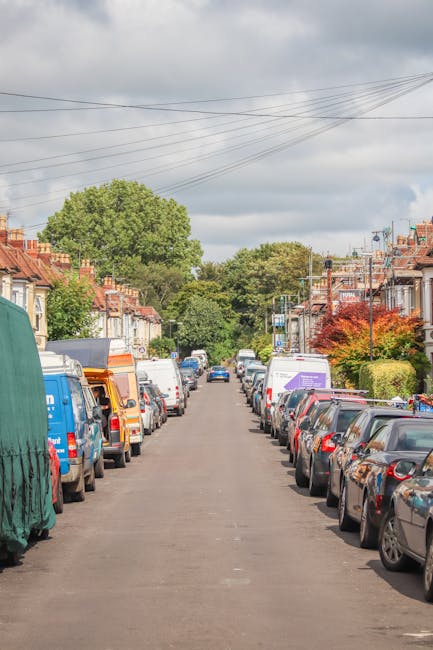
Ruislip Manor has the kind of residential streets where access planning can make or break moving day. Narrow carriageways, cars parked on both sides, low kerbs, and the occasional awkward bend all affect how a removals vehicle approaches the property. Even when the actual journey is short, the final few metres can be the slowest part of the whole day.
Why does that matter so much? Because moving teams work best when they can park safely, load efficiently, and keep a clear path between the property and the vehicle. If the van ends up too far away, every item takes longer to move. If the vehicle cannot get close enough, you may need more labour, more time, or a different vehicle altogether.
In a place like Ruislip Manor, the challenge is often not the size of the move itself but the combination of access factors: road width, neighbours' parking habits, turning space, and whether there is any realistic place to unload without blocking traffic. That is especially important for larger furniture, awkward items, and family moves with more boxes than anyone wants to count on the morning.
Practical takeaway: the closer a removals vehicle can park to the door, the smoother the move usually goes. In narrow roads, getting that right is half the job.
This is also where realistic expectations help. A move that looks simple on paper may need a smaller vehicle, a shuttle arrangement, or a different arrival window to avoid street congestion. Better to know that now than discover it when the crew is already on site and someone is doing the "will this lorry fit?" stare down the road.
How Ruislip Manor narrow roads removals access tips for movers Works
Access planning is basically the process of matching your property, your street, and your belongings to the vehicle and crew you book. It starts with a clear picture of the road outside your home and ends with a move that does not rely on guesswork. Simple in principle, but you would be surprised how often it gets skipped.
The moving company usually needs to know a few key things in advance. Can a larger van stop outside the property? Is there room to turn around, or will the vehicle need to reverse carefully? Are there parking restrictions, yellow lines, timed bays, or local bays that fill up quickly? Will the team need to carry items up steps, around a corner, or through a side gate?
For narrow roads, that information matters because it shapes the entire plan. A company might send a smaller van, a team with more suitable equipment, or advise on staging the load so the largest items go first. In some cases, a homeowner chooses a removal van for tight access, while a larger property may need a bigger moving truck if the road and parking allow it.
Think of it like fitting a puzzle together. The right vehicle size, the right arrival time, the right parking position, and a sensible loading order all help the move breathe a bit easier. Miss one piece and the whole thing starts to creak.
A good mover will usually ask access questions before the job date. If they do not, volunteer the details anyway. Mention the width of the road, whether a van can sit outside your front door, and whether there are any awkward bends, overhanging branches, or parked cars that commonly block the lane. That kind of detail is gold on moving day.
Key Benefits and Practical Advantages
Good access planning is not just about convenience. It creates a chain of practical benefits that you will feel all day long. To be fair, this is where a bit of forethought pays for itself.
- Less time spent carrying items: shorter carry distances mean fewer delays and less strain on everyone involved.
- Lower risk of damage: tight corners and long walks increase the chance of knocks, scuffs, and dropped items.
- Better crew efficiency: the team can work in a clear rhythm instead of stopping to navigate obstacles.
- Fewer parking headaches: clear access reduces the chance of last-minute repositioning or double handling.
- More accurate quotes: when access details are honest and specific, pricing is usually more realistic.
- Less stress on the day: you are not improvising while the clock is ticking.
There is also a quieter benefit that people often forget: neighbours are less likely to be irritated if your move is well managed. In a narrow road, that matters. Nobody wants to be the person who blocks the street with a badly parked van while a car is trying to get past and everyone is watching from behind the curtains. We have all seen that scene.
Another advantage is safety. When the route is mapped out properly, the crew can reduce trip hazards, protect floors and walls, and avoid overloading themselves on a long carry. That is especially relevant if the property has stairs, a split-level layout, or a slightly awkward front path.
Who This Is For and When It Makes Sense
This advice is useful for anyone moving in or out of Ruislip Manor, but it becomes especially important in a few common situations:
- Homes on narrower residential streets where two-way passing is tight
- Flats or maisonettes with limited outside loading space
- Moves involving larger furniture, bulky white goods, or fragile items
- Properties with permit bays, short-stay parking, or busy commuter parking nearby
- Families who need a full house move with lots of boxes and mixed item sizes
- Small business relocations where timing and vehicle access are both important
It also makes sense if you are moving on a weekend, during term time, or at a time of day when the street is already busy. Narrow-road access can change quickly depending on the hour. A road that feels manageable at 9 a.m. may feel much tighter at school pickup time or in the evening when every spare space is taken.
If you are only moving a few items, a smaller service such as man and van may be enough. If you are shifting a whole household, you may need a larger crew and possibly a more structured service such as house removals or house removalists. The street often decides that more than the packing does.
And yes, sometimes the simplest move is not actually simple. A third-floor flat with a narrow stairwell can be more demanding than a larger house with decent driveway access. Funny how that works.
Step-by-Step Guidance
Here is a practical way to handle access planning without overcomplicating it.
1. Walk the route before you book
Stand outside your property and look at the road as if you were driving a removals van. Is there room to stop safely? Can a vehicle open doors without clipping a wing mirror? Can a second car pass while loading is taking place? That little five-minute walk can prevent a lot of guesswork later.
2. Measure the obvious pinch points
You do not need engineering equipment. Just note the width of gates, hallways, stair turns, and any tight corners. Measure larger items too, especially wardrobes, beds, sofas, and wardrobes with fixed frames. If something barely fits in the front room but not through the hallway, the team needs to know before arrival.
3. Tell the mover about parking realities
Be specific. If there is no legal place to park right outside, say so. If the road is usually busy with commuter parking, say that too. A good mover can then plan for an earlier arrival, a smaller vehicle, or an alternative loading point.
4. Decide whether a smaller vehicle is better
On narrow roads, smaller can be smarter. A compact van may be easier to place safely and may reduce the chance of needing to block the road. That said, a smaller van can mean more trips if you have a larger load. So it becomes a balance: fewer access headaches versus fewer journeys. There is no universal answer, a bit annoying really, but it is the honest one.
5. Clear loading space inside and outside
Inside the property, create a direct route to the exit. Outside, keep bins, bikes, plant pots, and children's scooters out of the way. It sounds small, but clutter adds friction fast. A clean path helps the crew work faster and more safely.
6. Confirm timing and arrival window
If the road gets busier later in the day, ask whether an earlier slot is possible. In narrow streets, timing can be as important as vehicle choice. A slightly earlier start can be the difference between easy access and a frustrating stand-off with parked cars.
7. Keep one person available to answer questions
On the day, it helps if one person is available to speak to the crew about access, keys, parking, or item priorities. You do not need a full committee meeting on the pavement. Just one calm point of contact is enough.
Expert Tips for Better Results
In our experience, the best moves in tight-access streets are the ones that feel almost boring. No drama, no sudden surprises, no "we thought the van would fit" moments. Boring is good on moving day.
- Use photos as well as descriptions. A few clear phone pictures of the street, entrance, and parking situation can explain more than a long message.
- Give item-level detail. Large mirrors, pianos, wardrobes, and awkward garden furniture often change the plan.
- Protect the route first. If the path from door to van is narrow, floor protection and corner guards are worth considering.
- Plan around neighbours' vehicles. If a driveway across the road is often used in the mornings, mention it. It affects how easily a van can position itself.
- Separate essential items early. Keep documents, chargers, medication, and kettle supplies out of the main loading flow.
- Ask about contingency options. If the van cannot park directly outside, what is the backup? It is a fair question and a smart one.
A small but useful habit is to label boxes by room and priority, not just by contents. On a narrow-road move, that helps the team unload in the right order if the van has to park a little way off. Kitchen first, then bedding, then the stuff you will want immediately. You will thank yourself later, probably while looking for the toaster.
Another tip: if your street has a turning circle or a cul-de-sac feel, let the crew know whether reversing in is easier than driving through. Some streets are kinder to one approach than another, and local familiarity can be a big advantage.
Common Mistakes to Avoid
Most access problems are preventable. They tend to come from assumptions, rushed booking decisions, or simple optimism. Lovely quality in general. Less useful on moving day.
- Assuming a large van will fit because a car does. Different size, different turning radius, different problem.
- Leaving parking questions until the morning of the move. By then, you are reacting instead of planning.
- Underestimating how far the carry is. Twenty metres can feel short; fifty metres with a sofa does not.
- Ignoring the time of day. School runs, commuter parking, and bin collection can all narrow access further.
- Not mentioning stairs, garden steps, or narrow hallways. The van is only part of the story.
- Forgetting about rain. Wet pavements and slippery steps change the pace and the handling.
One especially common mistake is assuming the removals team will somehow "just sort it out" when they arrive. To a point, professionals can adapt. But if the street layout is awkward, they need the facts upfront. That is how they bring the right vehicle, the right equipment, and the right expectation of time.
And yes, a last-minute scramble can still happen. It happens. But the more you prepare, the more likely you are to avoid the kind of morning that feels oddly like a low-budget obstacle course.
Tools, Resources and Recommendations
You do not need fancy kit to prepare for a narrow-road move, but a few simple tools help a lot.
- Phone camera: take pictures of the street, front path, and any tight access points.
- Measuring tape: use it on bulky furniture, doorways, and gate openings.
- Notepad or notes app: record parking details, access instructions, and contact names.
- Labels and markers: keep rooms and priorities clearly marked.
- Protective packing materials: blankets, wraps, and sturdy boxes reduce knock-on damage on tight carries.
- Floor and corner protection: useful when the route inside is tight or surfaces are delicate.
If you are still comparing service types, it helps to know what each one is best suited to. flat removals are often about stairs and access management, while office removals can depend heavily on timed access and equipment handling. For smaller domestic jobs, same-day removals may work if access is straightforward, but in tight streets a bit more planning is usually the wiser call.
You may also want to think about packing and unpacking services if you want to reduce the number of loose items being carried through a narrow route. Fewer separate pieces usually means fewer chances for something to catch on a corner, and that is never a bad thing.
Law, Compliance, Standards, or Best Practice
With narrow-road removals, the legal side is usually less about the move itself and more about safe, lawful operation on public roads and around the property. You should always follow local parking rules, avoid blocking emergency access, and respect any restrictions on loading or waiting. If permits or formal parking arrangements are needed, check early rather than guessing.
Removals companies in the UK are also expected to work safely and responsibly. That typically means using suitable lifting techniques, keeping walkways as clear as possible, and handling items in a way that reduces the risk of injury or damage. A decent operator will have health and safety procedures, insurance, and a sensible approach to risk. If you want to understand that side better, review the company's health and safety policy and insurance and safety information before booking.
Best practice also includes honest quoting. If access is tight, the mover should know. If extra carrying distance or difficult parking is likely, that should be reflected in the plan. Clear communication is not just courteous; it helps set fair expectations for both sides.
There is a practical side to sustainability here too. Fewer failed approaches, fewer repeat trips, and better load planning can reduce wasted time and fuel. If that matters to you, the company's recycling and sustainability approach may be worth a look as part of your broader decision-making.
Options, Methods, or Comparison Table
Choosing the right moving method depends on access, volume, and timing. Here is a simple comparison to help you think it through.
| Option | Best for | Strengths | Trade-offs |
|---|---|---|---|
| Small van / man and van | Light loads, short distances, tight roads | Easier parking, better for narrow access, often more flexible | May require more than one trip for larger moves |
| Mid-sized removals van | Typical household moves with manageable access | Balanced capacity and manoeuvrability | Can still struggle on very tight streets |
| Large moving truck | Big house moves where road access is good | Higher capacity, fewer loads | Needs more space for parking and turning |
| Shuttle-style transfer | Properties where large vehicles cannot reach the door | Allows larger move to proceed safely | Extra handling and planning required |
If your street is especially tight, the most sensible option is often the one that reduces risk, not the one that sounds most impressive. A smaller vehicle parked neatly can be a better choice than a big lorry that causes delays and stress. Common sense, really.
Case Study or Real-World Example
Here is a realistic example from the kind of move people often face in Ruislip Manor. A family was moving from a semi-detached house on a narrow residential road with cars parked on both sides most afternoons. Their original thought was to book a large van and "see how it goes". Not ideal.
Instead, they walked the street the week before and noticed three issues straight away: the road narrowed near a bend, there was no safe stopping place directly opposite the front door, and the hallway had a tight turn near the stairs. They sent photos, measured the largest furniture, and explained that the street usually filled up by late morning.
The mover recommended an earlier start and a slightly smaller vehicle, with the largest items loaded first. The crew also staged boxes in the front room before the van arrived. Because the access plan was clear, the load went out steadily, and the team did not have to keep repositioning the vehicle. Nothing dramatic happened, which is exactly what you want. There was a bit of noise, a few footsteps, a pause while a neighbour reversed out, and then the job got done without the usual fuss.
The family's main lesson was simple: they had not needed a miracle, just a plan. That is often the case with narrow-road moves. A calm, specific approach beats last-minute improvisation almost every time.
Practical Checklist
Use this checklist a day or two before the move, and again on the morning if needed.
- Confirm the moving date, arrival window, and contact number
- Photograph the road, parking space, entrance, and any awkward turns
- Measure large furniture and check it against doorways and stair turns
- Tell the mover about parking restrictions, permit bays, or busy periods
- Decide whether a smaller vehicle would be easier than a larger one
- Keep bins, bikes, and loose items clear of the loading route
- Pack essential items separately for quick access
- Protect fragile items and label boxes clearly
- Make sure one person can answer access questions on the day
- Have a backup plan if the road is more congested than expected
Quick reminder: if the road outside looks tight to you, it is probably tight. Trust your eyes. They are usually right.
Get a free quote today and see how much you can save.
Conclusion
Ruislip Manor narrow roads removals access tips for movers are really about one thing: turning an uncertain move into a well-managed one. When access is tight, planning becomes more valuable than muscle. The right vehicle, sensible timing, clear parking information, and a realistic view of what the street can handle will save you time, effort, and a fair bit of stress.
If you take nothing else from this guide, take this: do not leave access to chance. Walk the route, share the details, and choose a moving approach that fits the road as well as the house. That little bit of preparation can make the whole day feel steadier. And steadier is good. Steadier is very good.
For company details, policies, and support pages while you plan, you can also review the about us page, contact us page, or the pricing and quotes information if you are still comparing your options.
When the boxes are stacked, the kettle is packed, and the van is ready, the goal is simple: a move that feels handled, not hurried. That is a good feeling, and honestly, it makes all the difference.
Frequently Asked Questions
What should I tell movers about narrow road access in Ruislip Manor?
Tell them about road width, parking restrictions, the distance from the van to your door, nearby bends, and anything that could make reversing or turning difficult. Photos help a lot too.
Is a smaller van better for tight residential streets?
Often, yes. A smaller van can be easier to park and manoeuvre on narrow roads. The trade-off is capacity, so it may not suit a very large move without extra trips.
How far in advance should I plan access for my move?
As early as you can. A few days may be enough for a straightforward move, but for narrow roads and parking-sensitive streets, planning a week or more ahead is better.
Do I need to reserve parking for a removals vehicle?
Sometimes you may need to make arrangements depending on the street and local parking rules. It is sensible to check early so you are not left guessing on moving day.
What if the moving truck cannot park outside my house?
That is when a shuttle approach, a smaller vehicle, or extra carrying distance may be needed. The key is to know this before the move so the team can plan properly.
How do I know if my furniture will fit through a narrow hallway?
Measure the furniture and the tightest parts of the route, especially doorways, bends, and stair turns. If the item looks awkward, say so. Movers deal with this all the time.
Are flat moves more difficult in narrow roads?
They can be, because you are dealing with both access outside and stairs or communal entrances inside. Good planning makes a big difference, especially if parking is limited.
What is the best time of day for moving in a tight street?
Usually earlier in the day, before the road fills up with parked cars and local traffic. Exact timing depends on the street, but early often works better.
Should I choose a man and van service or a full removals team?
It depends on the size of the move and the access conditions. A man and van can be ideal for lighter loads or tight roads, while a full removals team may suit bigger household moves.
How can I reduce the risk of damage on a narrow-road move?
Keep the route clear, pack properly, protect corners and floors, and give the crew accurate access details. Fewer surprises usually means fewer knocks and scuffs.
Can movers help if there is no driveway at all?
Yes, many can. They may need to use the street carefully, work with a smaller vehicle, or plan for a longer carry. The important thing is to be upfront about it.
Where can I check company policies before booking?
You can review pages such as the terms and conditions, payment and security, and complaints procedure so you understand how the company works before you commit.